Intravenous therapy is a cornerstone of patient care, allowing the safe and efficient delivery of fluids, medications, and nutrients directly into the bloodstream. Among the various types of IV access, the central line IV plays a critical role in managing long-term therapy and critical care patients. Understanding its function, uses, and proper handling is essential for healthcare professionals.
What is a Central Line IV?
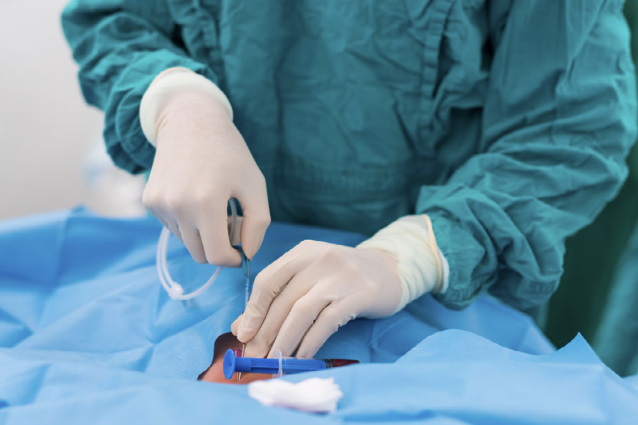
A central line IV is a catheter inserted into a large vein, typically near the heart, such as the subclavian, jugular, or femoral veins. This line allows direct access to the central venous system, enabling rapid administration of medications, fluids, or blood products and supporting long-term intravenous therapy.
Components of a Central Line IV
- Catheter: A long, flexible tube inserted into a large vein.
- Hub or Connector: Secures the catheter to IV tubing or syringes.
- Clamp or Valve: Controls fluid flow and prevents backflow.
- Dressings and Securement Devices: Maintain sterility and prevent catheter dislodgement.
For more detailed guidance, healthcare professionals can refer to central line iv resources.
Common Uses of Central Line IV
Central line IVs are used in multiple clinical situations, including:
- Long-Term Medication Administration: Delivering chemotherapy, antibiotics, or other long-term therapies.
- Rapid Fluid Resuscitation: Essential in trauma, shock, or critical care settings.
- Blood Sampling: Facilitates frequent blood draws without repeated venipuncture.
- Parenteral Nutrition: Administering nutrition intravenously when oral intake is not possible.
- Hemodynamic Monitoring: Allows measurement of central venous pressure for critically ill patients.
Types of Central Line IV
Tunneled Central Line
Inserted under the skin and tunneled to a vein, often used for long-term therapies such as chemotherapy.
See also: What Makes a Great Mental Health First Aider?
Non-Tunneled Central Line
Directly inserted into a central vein, typically for short-term use in emergencies or ICU settings.
Peripherally Inserted Central Catheter (PICC)
Inserted in a peripheral vein but extends into the central veins near the heart, allowing medium to long-term therapy with minimal discomfort.
Advantages of Central Line IV
- Provides reliable access to central venous circulation.
- Supports long-term therapy without frequent venipuncture.
- Enables rapid administration of fluids, medications, or blood products.
- Facilitates accurate monitoring in critically ill patients.
Proper Handling and Maintenance
- Maintain aseptic technique during insertion and care.
- Secure the catheter properly to prevent accidental dislodgement.
- Monitor for infection, infiltration, or occlusion regularly.
- Flush the line with saline or heparin according to protocol to maintain patency.
- Replace dressings and inspect insertion sites as per hospital guidelines.
Troubleshooting Common Issues
- Occlusion or Blockage: Flush the catheter gently; check for kinks or thrombus formation.
- Infection: Monitor for redness, swelling, or fever; follow infection control protocols.
- Dislodgement: Ensure securement devices are properly applied and regularly checked.
- Air Embolism: Ensure clamps are closed when changing tubing or connections.
FAQs About Central Line IV
1. What is a central line IV used for?
It is used for long-term medication administration, rapid fluid resuscitation, blood sampling, parenteral nutrition, and critical care monitoring.
2. How is a central line IV different from a peripheral IV?
A central line IV accesses large veins near the heart, allowing long-term therapy and rapid fluid administration, whereas peripheral IVs access smaller veins and are used for short-term therapy.
3. How should central line IVs be maintained?
Central lines require aseptic handling, regular flushing, inspection for infection, and secure dressings according to hospital protocols.
Conclusion
Central line IVs are indispensable in modern medical care, providing safe, reliable, and efficient access for long-term therapy and critical patient management. Proper knowledge of types, uses, and maintenance ensures optimal patient outcomes. For more detailed guidance, healthcare professionals can consult central line iv resources.