Best 50 Imam Hussain علیہِ السلام Poetry in Urdu | Muharram Poetry

The Battle of Karbala took place on the 10th of Muharram, 61 AH (680 CE) on the plains of Karbala in present-day Iraq. Imam Hussain (A.S), the grandson of Prophet Muhammad ﷺ and son of Hazrat Ali (A.S) and Bibi Fatima (A.S), stood with a small group of 72 loyal companions against the massive army of Yazid ibn Muawiyah. Faced with the choice of pledging allegiance to a corrupt and unjust ruler or sacrificing everything for the truth, Imam Hussain (A.S) chose martyrdom. He gave his life, his family, and his companions — but never surrendered his principles. That single stand in the desert of Karbala changed the course of Islamic history forever and kept the message of the Prophet ﷺ alive for all generations to come.
The tragedy of Karbala did not just shake the Muslim world — it moved the hearts of poets, scholars, and thinkers across centuries and across religions. Urdu literature in particular has a deep and unbreakable bond with the memory of Imam Hussain (A.S). From the elaborate Marsiya tradition pioneered by Mir Anis and Mirza Dabeer, to the fiery couplets of Allama Iqbal, to the emotional Nohas recited in every Muharram gathering — Urdu poetry has always been one of the most powerful ways Muslims express their love, grief, and devotion for the Imam of Karbala. Even non-Muslim poets of the subcontinent, deeply moved by Hussain’s sacrifice, picked up their pens and wrote in his honor — a testament to how universal and timeless the message of Karbala truly is.
Every year during the sacred month of Muharram, millions of Muslims across Pakistan, India, Iran, Iraq, and around the world gather to remember and mourn the martyrdom of Imam Hussain (A.S). Poetry plays a central role in these gatherings — it is recited in Majalis, shared on WhatsApp and social media, written on banners, and spoken from the heart by those who feel the pain of Karbala as if it happened yesterday. Whether you are looking for 2-line Hussain shayari to share on your status, emotional Karbala poetry to reflect upon during Ashura, or the iconic verses of Allama Iqbal as a tribute to the greatest martyr in Islamic history — you will find it all here. Read, reflect, and share these heart-touching verses as an expression of your love for Mola Hussain (A.S).
The Most Famous Verse — Shah Ast Hussain
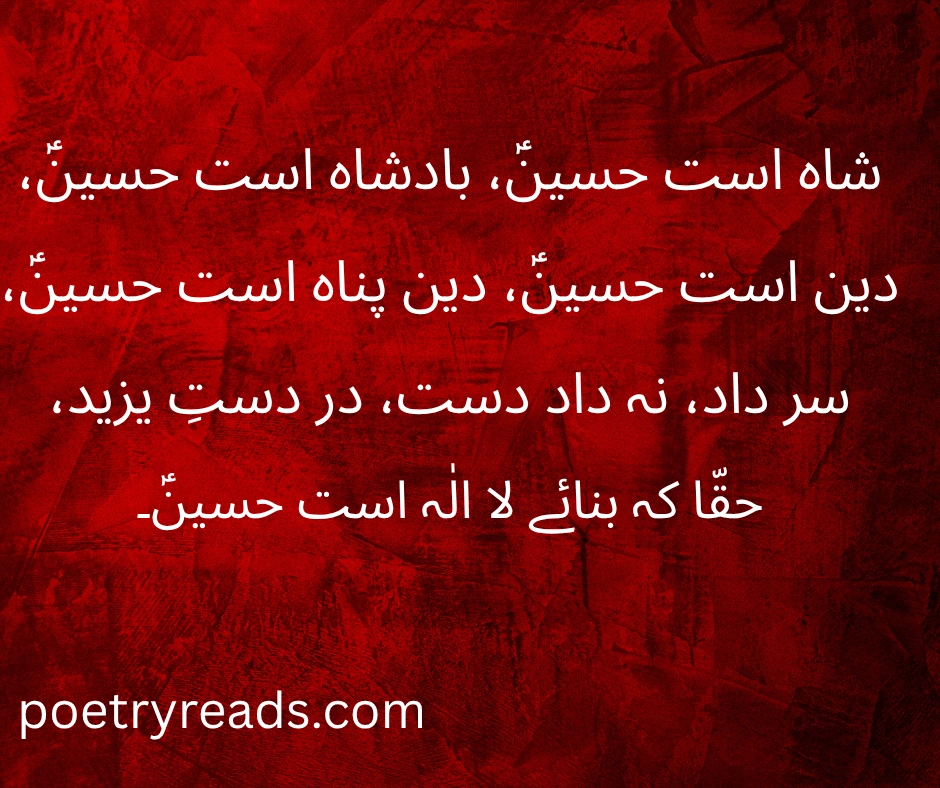
شاہ است حسینؑ، بادشاہ است حسینؑ،
دین است حسینؑ، دین پناہ است حسینؑ
سر داد، نہ داد دست، در دستِ یزید
حقّا کہ بنائے لا الٰہ است حسینؑ۔
Hussain is the King, the Emperor is Hussain
Hussain is faith, the protector of faith is Hussain
He gave his head but not his hand in the hand of Yazid
Truly, Hussain is the foundation of “There is no god but Allah”
Imam Hussain علیہِ السلام Poetry in Urdu – Heartfelt Verses of Karbala
کسی نے پوچھا وفا کیا ہے؟
زمانہ جھک کے بولا، حسینؑ
نہ جان و مال کی خواہش، نہ حکومت کی ہوس
حسینؑ نے صرف اسلام بچایا تھا
حُسین ؑ تیرے لهو کی خُوشبو
فلک کے دامن سے آرهی ہے
نیزے پہ بھی قرآن سنایا حسینؑ نے
حق کا علم ہر حال میں لہرایا حسینؑ نے
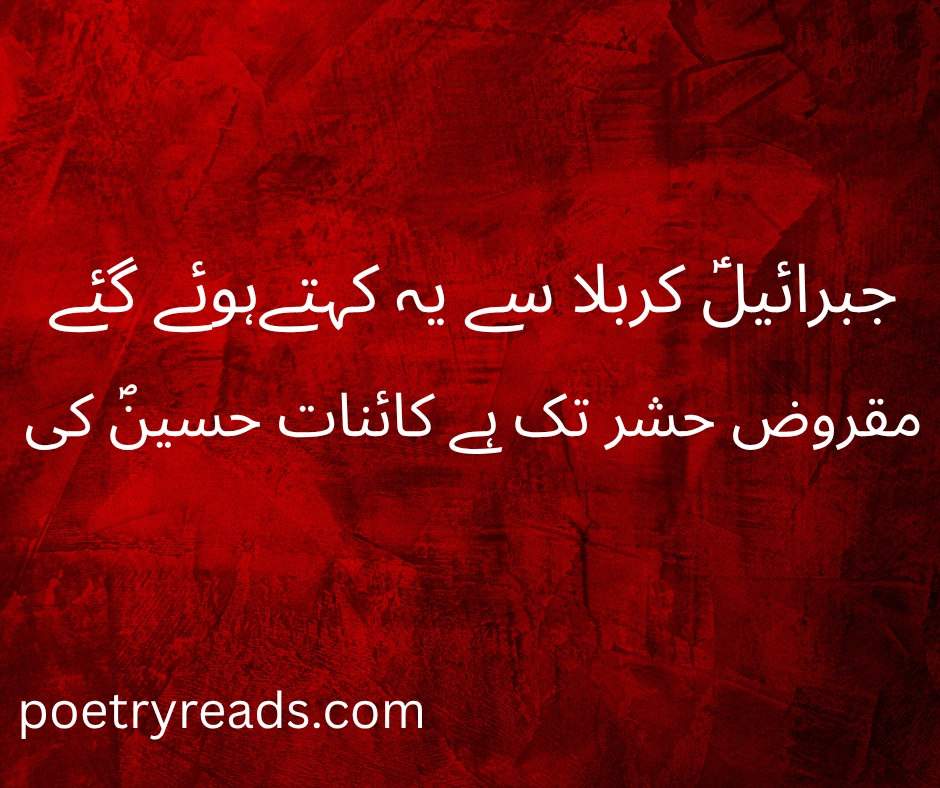
جبرائیلؑ کربلا سے یہ کہتےہوئے گئے
مقروض حشر تک ہے کائنات حسینؐ کی
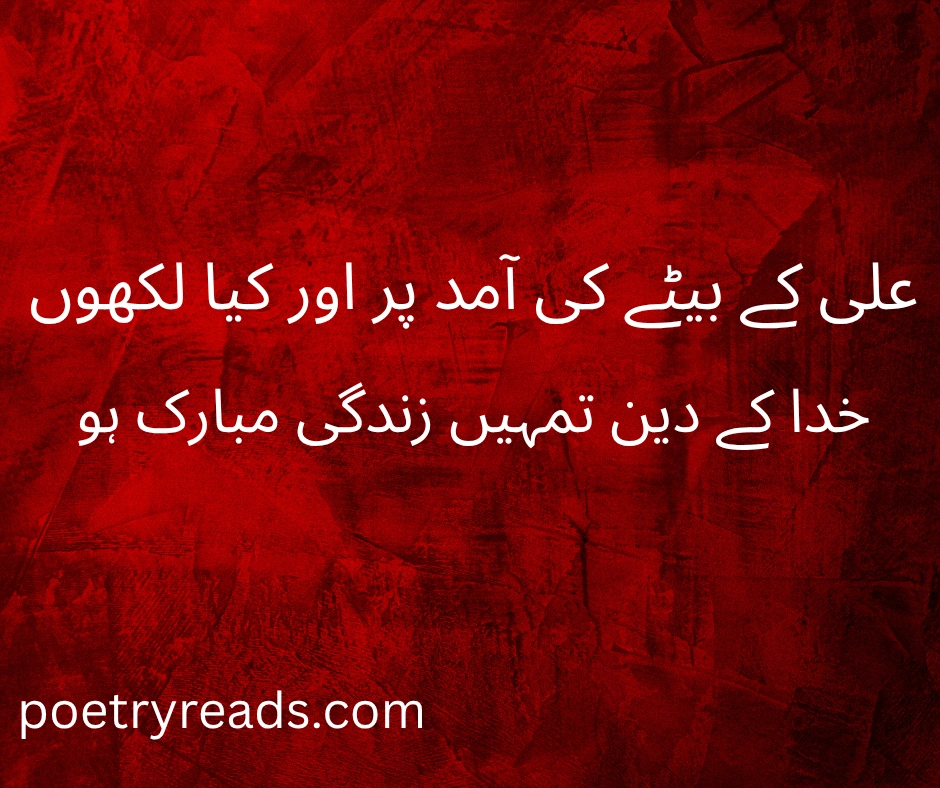
علی کے بیٹے کی آمد پر اور کیا لکھوں
خدا کے دین تمہیں زندگی مبارک ہو
حد ہی نہی حسین تیرے انتقام کی
لفظِ یزید گالی سے بدتر بنا دیا
زندگی بے چین ہے مولا تھوڑا سا چین دے
اور کچھ نہ دے بس زیارت حسین دے
Read also : Allama Iqbal Poetry in Urdu – Best Shayari Collection
Copy-Paste Imam Hussain علیہِ السلام Poetry in Urdu for Muharram
زخم بھی سہتا گیا، پیاس بھی سہتا گیا
کیا عجب صبر تھا، جو حسینؑ کرتا گیا
لبوں پہ ذکرِ حسینؑ، دل میں کربلا کی آگ
محرم آ گیا، اب اشک بہانے کا وقت ہے
مولا حسینؑ کی عظمت کو لفظوں میں نہ سمجھیے
وہ چراغ ہیں جو قیامت تک جلیں گے
Soulful Mola Hussain علیہِ السلام Poetry in Urdu Text
لاشہ علی اصغرؑ کا اٹھا کے کہا حسینؑ نے
اے رب! قبول ہو یہ نذر بھی تیرے نام پہ
نہ دین کے سودے پہ سودا کیا
حسینؑ نے حق کو ہی سجدہ کیا
مولا حسینؑ کی عظمت کو لفظوں میں نہ سمجھیے
وہ چراغ ہیں جو قیامت تک جلیں گے
شبیری پیغام کو دل سے لگانا ہے
ہمیں مولا کا نقشِ وفا بنانا ہے
حسینؑ وہ ہے جو کربلا میں تنہا نہ تھا
ساتھ تھا خدا، حق کی جیت کا صدا نہ تھا
Read also: 12 Rabi ul Awal – Eid Milad Un Nabi Poetry in Urdu
2 Lines Poetry on Imam Hussain علیہِ السلام – Easy to Share
انسان کو بیدار تو ہو لینے دو
ہر قوم پکارے گی ہمارے ہیں حسینؑ۔
رونے والوں کا بھی کیا رُتبہ ہے سبحان اللہ
جن کے اشکوں کا خریدار خدا ہوتا ہے۔
حسینؑ تم نہیں رہے، تمہارا گھر نہیں رہا،
مگر تمہارے بعد ظالموں کا ڈر نہیں رہا۔
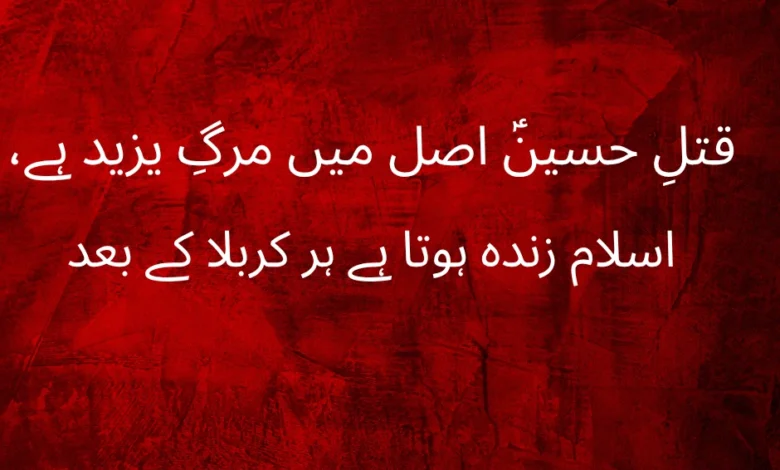
قتلِ حسینؑ اصل میں مرگِ یزید ہے،
اسلام زندہ ہوتا ہے ہر کربلا کے بعد۔
غمِ حسینؑ میں جو سوگوار ہوتا ہے،
کسی بھی ملک کا ہو اُسے پیار ہوتا ہے۔
کربلا کے ذکر پہ ہے کس لیے پابندیاں؟
کیا رَضی اللہ بھی کوئی صفِ قاتل میں ہے؟
اب تبرک کٹ رہی ہے زندگی اپنی،
غمِ حسینؑ ہے عزت میری بچائے ہوئے۔
Hindu Poet Shayari On Imam Husain علیہِ السلام
اس قدر رویا میں سن کے داستاںِ کربلا
میں تو ہندو ہی رہا، آنکھیں حسینی ہو گئیں۔
کربلا میں ایک بہانہ تھا حسینؑ ابنِ علی
لینے والے نے لیا تھا امتحانِ مصطفیٰؐ۔
خُلد اُس کی ہے، خیبر اُس کا، کوثر اُس کا ہے،
جس کو اُلفت ہے ولایت آلِ پیمبرؐ کے ساتھ۔
Allama Iqbal’s Poetry on Imam Hussain (A.S) — A Tribute in Urdu
Allama Iqbal, the national poet of Pakistan and one of the greatest minds in Islamic philosophy, held Imam Hussain (A.S) in the deepest reverence. For Iqbal, Karbala was not just a historical tragedy — it was the event that saved Islam from dying at the hands of tyranny. He wrote about Hussain (A.S) across multiple works including Rumuz-e-Bekhudi, Bang-e-Dra, and Armaghan-e-Hijaz, describing him as the guardian of faith, the conscience of the Muslim Ummah, and the eternal symbol of resistance against oppression.
Iqbal believed that the spirit of every free Muslim is nourished by the sacrifice of Karbala, and that without Hussain’s stand, the message of the Prophet ﷺ would not have survived. Here are his most powerful and widely recited verses on Imam Hussain (A.S):
1. From Rumuz-e-Bekhudi — The Resurrection of Faith
اسلام کے دامن میں بس اِس کے سوا کیا ہے؟
ایک ضربِ یدُاللہی، ایک سجدۂ شبّیری
What else does Islam hold in its fold?
One strike of the hand of God, one prostration of Shabbir (Hussain)
Iqbal here draws a direct parallel between divine power and Hussain’s sacrifice — calling his sajda (prostration) at Karbala one of the two pillars of Islam’s strength.
2. Hussain as the Imam of the Free
موسیٰ و فرعون و شبّیر و یزید
ایں دو قوّت از حیاتِ آید پدید
زندہ حق از قوّتِ شبّیری است
باطل آخر داغمِ خونِ دلیری است
Moses and Pharaoh, Shabbir and Yazid
These two forces emerge from life itself
Truth lives by the power of Shabbir (Hussain)
And falsehood ultimately bears the wound of the brave
In this Persian verse from Rumuz-e-Bekhudi, Iqbal frames Karbala as the eternal struggle between truth and falsehood — placing Hussain alongside Moses as a liberator of humanity.
3. The Secret of Karbala
ہر کہ پیماں با ہو الموجود بست
نقشِ پایش را بہ سینہ ہم نشست
آں امامِ عاشقاں پورِ بتول
سروِ آزادے ز بستانِ رسول
Whoever made a covenant with the Ever-Living God
Carried his footsteps engraved upon their heart
That Imam of lovers, son of Batool (Fatima)
A free cypress from the garden of the Prophet ﷺ
Here Iqbal calls Hussain (A.S) the “Imam of lovers” — those who love truth, justice, and God above all else — and describes him as a tree of freedom grown from the Prophet’s own garden.
4. Karbala and the Revival of the Muslim Soul
تیغِ لا چون از میاں بیروں شود
از رگِ ارباب باطل خوں شود
قوّتِ مغرب نہ از چنگ و رباب
نے ز رقصِ دختراں در آفتاب
محکمی او را ز قوّتِ دیں بود
از ثباتِ لا الٰہ تمکیں بود
When the sword of “La” (negation of falsehood) is drawn from its sheath
The blood drains from the veins of the people of falsehood
The strength of faith is not from music or dance
But from the firmness of “There is no god but Allah”
Iqbal in this verse connects the spirit of Karbala directly to the Kalima — arguing that Hussain’s refusal to bow to Yazid was the living, breathing expression of La ilaha illallah.
5. Iqbal’s Direct Address to Hussain (A.S)
نگاہِ عشق و مستی میں وہی اوّل وہی آخر
وہی قرآن، وہی فرقاں، وہی یاسیں، وہی طٰہٰ
In the eyes of love and devotion, he is the first and the last
He is the Quran, he is the Criterion, he is Yaseen, he is Taha
A deeply emotional verse in which Iqbal expresses that through the lens of divine love, Hussain (A.S) embodies the very essence of the Quran and the Prophet’s ﷺ message.
Why Iqbal Wrote So Much About Imam Hussain
Iqbal’s philosophy of Khudi (selfhood) was deeply inspired by Hussain’s example. For Iqbal, the greatest expression of a free, God-conscious self was someone who would sacrifice everything — wealth, family, and life — rather than surrender their principles to a corrupt ruler. He saw Hussain (A.S) as the perfect human embodiment of this ideal, and repeatedly returned to Karbala in his writing as the ultimate lesson for the Muslim Ummah on dignity, resistance, and faith.
اسلام کے دامن میں بس اِس کے سوا کیا ہے؟
ایک ضربِ یدُاللہی، ایک سجدۂ شبّیری۔
Emotional Shia Poetry in Urdu – Muharram Special
زمین تھرّا گئی، آسمان بھی رو پڑا
جب کربلا میں مظلوموں کا خوں بہا
کربلا کے ریگزار میں، ظالموں کا تھا بسیرا
لیکن حق کے ساتھ کھڑا تھا ایک حسینؑ کا چہرہ
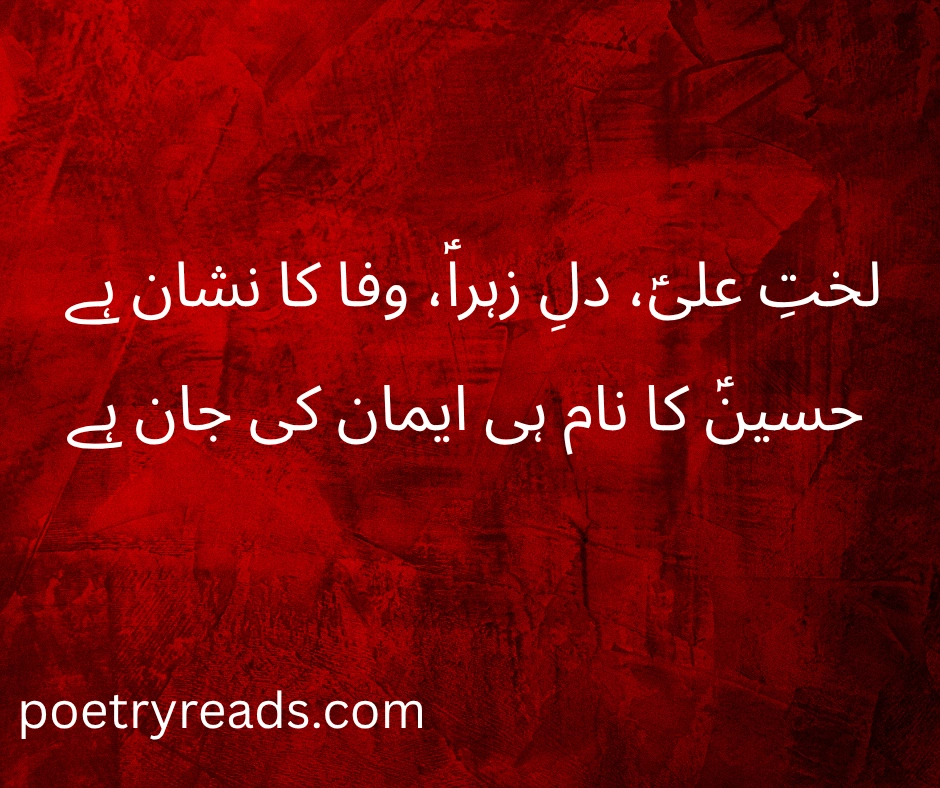
لختِ علیؑ، دلِ زہراؑ، وفا کا نشان ہے
حسینؑ کا نام ہی ایمان کی جان ہے
Hazrat Imam Hussain علیہِ السلام Quotes in Urdu Text
حضرت امام حسین رضی اللہ تعالی عنہ فرماتے ہیں کہ انسان موت سے بچنے کی کوشش کرتا ہے جہنم سے بچنے کی نہیں حالانکہ جہنم سے بچ سکتا ہے موت سے نہیں
حضرت امام حسین رضی اللہ تعالی عنہ فرماتے ہیں اگر دنیا میں تمہیں شدت سے غم ملیں تو میرے غموں کو یاد کر لینا تمہارے غموں کا وزن کم ہو جائے گا
حضرت امام حسین رضی اللہ تعالی عنہ فرماتے ہیں کہ کسی کا حق اپنے ذمے لے کر اس دنیا سے نہ جاؤ
حضرت امام حسین رضی اللہ تعالی عنہ فرماتے ہیں کہ ظلم کے خلاف جتنی دیر سے اٹھو گے اتنی ہی زیادہ قربانیاں دینی پڑیں گی
حضرت امام حسین رضی اللہ تعالی عنہ نے فرمایا جب تمہاری زندگی میں ایسے دو راستے آ جائیں کہ ظلم تمہیں گردن اٹھانے نہ دے اور دین تمہیں گردن جھکانے نہ دے تو تیسرا راستہ گردن کٹانے کا راستہ ہے
حضرت امام حسین رضی اللہ تعالی عنہ فرماتے ہیں کہ زندگی کا کوئی اعتبار نہیں جس قدر ممکن ہو دوسروں کے کام آؤ
حضرت امام حسین رضی اللہ تعالی عنہ نے فرمایا جو تمہیں دوست رکھتا ہے وہ برائی سے روکے گا اور جو تمہیں دشمن رکھے گا وہ برائی پر ابھارے گا
حضرت امام حسین رضی اللہ تعالی عنہ فرماتے ہیں کہ ذلت کی زندگی سے عزت کی موت کہیں بہتر ہے
حضرت امام حسین نے فرمایا جس کا مددگار خدا کے علاوہ کوئی نہ ہو خبردار اس پر ظلم نہ کرنا
Frequently Asked Questions (FAQ)
Q1: What is the most famous poetry on Imam Hussain in Urdu?
The most famous poetry on Imam Hussain (A.S) in Urdu is by Allama Iqbal, particularly the verse “شاہ است حسینؑ، بادشاہ است حسینؑ” — declaring Hussain as the true king and protector of faith. Other widely recited verses come from poets like Mir Anis and Josh Malihabadi, whose Marsiya and Noha traditions remain deeply embedded in Urdu literature.
Q2: Why do Urdu poets write poetry about Imam Hussain?
Urdu poets write about Imam Hussain (A.S) because his stand at Karbala represents the universal values of truth, justice, and sacrifice against oppression. His story transcends religion — even Hindu and non-Muslim poets like Munshi Premchand and Brahm Bhatt wrote in his honor. For Urdu poets, Karbala is not just a historical event but an eternal symbol of standing firm on principles no matter the cost.
Q3: What did Allama Iqbal say about Imam Hussain (A.S)?
Allama Iqbal held Imam Hussain (A.S) in the highest regard and dedicated several powerful verses to him. In his poetry, Iqbal described Hussain as the one who revived Islam through his sacrifice, writing that the foundation of the Muslim’s faith is built on the event of Karbala. He called Hussain the “Imam of the free” and said that every Muslim’s spirit is kept alive by the memory of Karbala.
Q4: What is the difference between Noha, Marsiya, and Imam Hussain Shayari?
All three are forms of poetry about Imam Hussain (A.S) but serve different purposes. A Noha is a rhythmic lamentation recited during Muharram gatherings, often with a sorrowful melody. A Marsiya is a longer, more structured elegiac poem that narrates the events of Karbala in detail — Mir Anis and Mirza Dabeer are the most celebrated Marsiya poets. Shayari on Imam Hussain refers to shorter, couplet-style verses expressing love, grief, or admiration, which are commonly shared on WhatsApp and social media during Muharram.
Q5: When should Imam Hussain poetry be read and shared?
Imam Hussain (A.S) poetry is most commonly read and shared during Muharram, particularly in the first ten days leading up to Ashura (10th Muharram). It is also recited during Chehlum (40th day after Ashura), Majalis gatherings, and on the occasion of Eid Milad-related remembrance events. However, the love for Imam Hussain is not limited to a season — many Muslims recite and share Hussain shayari throughout the year as an expression of devotion.
Final Words
Imam Hussain (A.S) is not just a name in Islamic history — he is the symbol of truth, sacrifice, and standing against tyranny. The poetry shared in this post captures the soul of Karbala and the unshakable spirit of Hussainiyat. These verses are not just words; they are emotions, lessons, and reminders of the path of righteousness. If these soulful lines touched your heart, don’t forget to explore our other posts like Good Morning Dua in Urdu, Muharram Shia Poetry in Urdu, and Aqwal e Zareen in Urdu to continue feeling the depth of Islamic literature and devotion.
May the love for Ahl-e-Bayt (A.S) always remain alive in our hearts.