Introduction
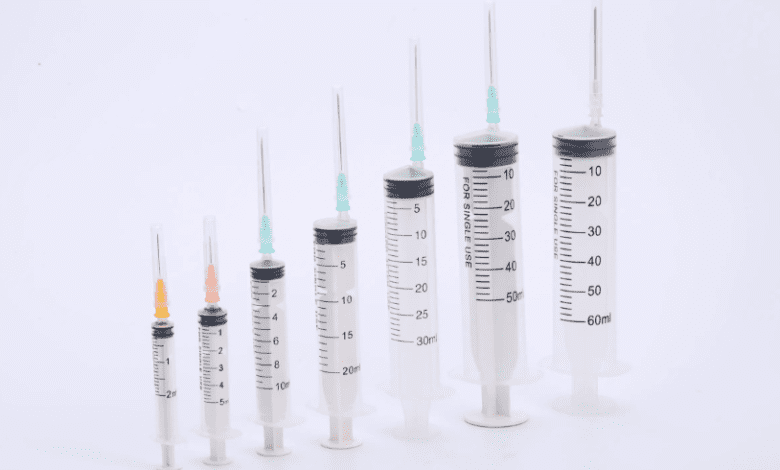
Medical syringes are critical tools for administering medications and fluids safely. While they may appear similar, syringes come with different types of tip connections that influence their performance. Understanding the differences between luer lock vs luer slip is essential for healthcare professionals to ensure safe, accurate, and efficient usage.
Overview of Syringe Tip Connections
The tip connection of a syringe serves as the interface between the syringe barrel and the needle. It determines how securely the needle attaches and affects the prevention of leakage during injection. Two commonly used types are luer lock and luer slip, each offering distinct advantages and considerations.
Luer Lock
A luer lock syringe features a threaded tip that allows the needle to be twisted onto the syringe, locking it in place. This design minimizes the risk of accidental needle detachment during procedures. Luer lock syringes are widely used in settings where high precision or pressure injection is required.
Luer Slip
A luer slip syringe has a smooth, tapered tip that allows the needle to be pushed on without twisting. While this type is easier and quicker to use, it may carry a slightly higher risk of detachment if excessive pressure is applied during injection. Luer slip syringes are commonly found in routine procedures where speed is essential.
See also: Ensuring Clean and Safe Drinking Water
Advantages of Luer Lock Syringes
Understanding the benefits of luer lock syringes helps in choosing the right equipment for specific medical tasks:
- Secure connection: The threaded mechanism prevents the needle from slipping during high-pressure injections.
- Precision in fluid administration: Luer lock syringes provide stable and consistent fluid flow.
- Safety during procedures: Reduced risk of accidental disconnections improves safety for both patients and healthcare workers.
- Compatibility with specialized devices: Many intravenous and catheter-based applications require the secure fit offered by luer lock connections.
Advantages of Luer Slip Syringes
Luer slip syringes have their own set of benefits that make them suitable for certain situations:
- Ease of use: Quick attachment and detachment of needles save time during repetitive procedures.
- Lower cost: Typically, luer slip syringes are more affordable compared to luer lock designs.
- Suitable for low-pressure applications: Ideal for routine injections and simple fluid transfers.
- Less wear on needle hub: Because no twisting is required, the risk of damaging the needle hub is reduced.
Comparing Luer Lock vs Luer Slip
Security and Stability
The primary difference between the two lies in the stability of the needle attachment. Luer lock syringes provide a stronger, more secure connection, while luer slip syringes rely solely on friction, which may be less reliable under high pressure.
Application Scenarios
- Luer lock: Preferred in intravenous therapy, high-pressure injections, and surgical procedures.
- Luer slip: Common in vaccination, routine injections, and laboratory sampling where ease of use is prioritized.
Risk of Leakage
The secure threading in luer lock syringes reduces the chance of fluid leakage. In contrast, luer slip syringes may occasionally experience minor leakage if the needle is not firmly seated.
User Experience
Healthcare professionals often find luer slip syringes faster to use due to the simplicity of the push-on mechanism. Luer lock syringes require a twist, which adds a small step but improves safety.
Considerations for Healthcare Settings
When deciding between luer lock vs luer slip, several factors should be taken into account:
- Patient safety: Secure connections are crucial when injecting potent or hazardous medications.
- Procedure type: High-pressure or critical procedures benefit from luer lock.
- Staff efficiency: Routine injections may favor the speed of luer slip.
- Cost management: Budget constraints can influence the selection of syringe type.
Maintenance and Handling
Proper handling of syringes enhances safety regardless of the type:
- Inspect the syringe and needle before use to ensure all parts are intact.
- Avoid applying excessive force on luer slip connections.
- Always dispose of used syringes in designated sharps containers to prevent injuries.
- Follow manufacturer guidelines for attaching and detaching needles to maintain the integrity of connections.
Innovations and Trends
Recent innovations in syringe design continue to improve both luer lock and luer slip options:
- Safety syringes: Many modern syringes incorporate retractable needles or protective caps to minimize accidental needlestick injuries.
- Ergonomic designs: Enhanced grips and smoother plunger mechanisms improve control during injections.
- Combination syringes: Some models offer interchangeable tips, allowing healthcare professionals to switch between luer lock and luer slip depending on the procedure.
Conclusion
Understanding the differences between luer lock vs luer slip syringes is essential for healthcare professionals. Each type has specific advantages depending on the procedure, pressure requirements, and safety considerations. Luer lock syringes offer a secure, stable connection suitable for high-risk or high-pressure applications, while luer slip syringes provide simplicity and efficiency for routine procedures. Knowledge of these differences ensures accurate fluid administration, minimizes risk, and enhances overall patient care.