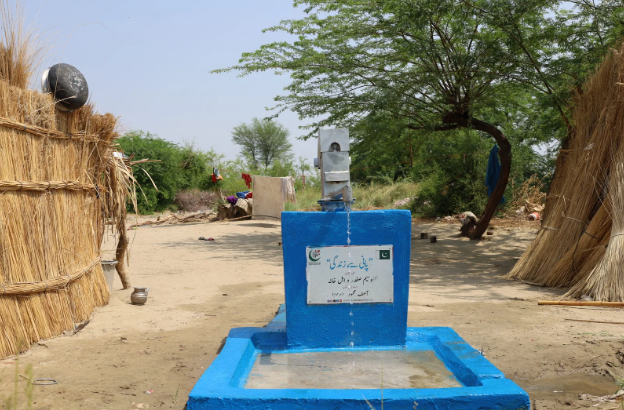
In a small village in Pakistan, a mother wakes before sunrise every day with a single task that determines the rest of her family’s life. She walks miles carrying empty containers, hoping the water she brings home will not make her children sick. For millions of families across the country, this is not an isolated story. It is daily life.
Clean water is something many people take for granted, yet for countless communities in Pakistan, safe drinking water remains out of reach. Contaminated sources, climate pressures, and weak infrastructure have created a crisis that affects health, education, and dignity.
In response to this urgent need, organizations like Hope Club are working on the ground to deliver sustainable water solutions where they are needed most. Through community-focused initiatives such as wells, hand pumps, and filtration systems, Hope Club’s water projects aim to provide long-term access to safe drinking water rather than temporary relief.
Why choose to donate to water in Pakistan?
This is why choosing to donate to water in Pakistan matters more than ever. A simple act of generosity can protect children from disease, give women their time back, and restore hope to entire villages.
By supporting initiatives like those shared at hopeclub.pk and active projects, donors help turn hardship into opportunity. Water is not just a necessity. It is the foundation of life, opportunity, and long-term stability.
Water Crisis in Pakistan
Pakistan’s Growing Water Crisis
Pakistan is facing one of the most serious water challenges in South Asia, affecting millions of people every day. Limited access to safe drinking water has become a widespread issue across both urban and rural areas.
Unsafe and Contaminated Water Sources
- A large portion of the population relies on unsafe or polluted water for daily use.
- Rivers and groundwater are contaminated by industrial waste and untreated sewage
- Agricultural runoff further pollutes drinking water supplies
Impact of Climate Change
- Erratic rainfall patterns disrupt natural water availability
- Prolonged droughts reduce surface and groundwater levels
- Clean water access has become unpredictable, especially in low-income areas
Health and Social Consequences
- Widespread waterborne diseases such as diarrhea, typhoid, and hepatitis
- Children are the most affected due to weaker immunity
- Hospitals face pressure from preventable illnesses
- Families struggle with rising medical costs
Role of Clean Water Donations in Pakistan
- Clean water donation efforts focus on long-term solutions
- Water charities build wells, hand pumps, and filtration systems
- Sustainable infrastructure provides safe water for years
- Supporting a trusted water charity Pakistan initiative addresses root causes rather than temporary relief
See also: The Rise of Telemedicine: Trends and Challenges in Post-Pandemic Healthcare
Who Suffers the Most?
While the water crisis affects millions, some groups bear a heavier burden than others.
Children
Children are the most vulnerable to contaminated water. Unsafe drinking sources lead to frequent illness, malnutrition, and stunted growth. Sick children miss school, fall behind academically, and face long-term health complications that can last a lifetime.
Women
In many communities, women are responsible for collecting water. This often means walking long distances multiple times a day, carrying heavy containers. The time spent fetching water limits opportunities for education, income generation, and rest. It also exposes women to physical strain and safety risks.
Elderly and Rural Families
Elderly individuals and families living in remote areas face additional challenges. Limited mobility, weak infrastructure, and a lack of nearby healthcare make water-related illnesses particularly dangerous. For these communities, access to clean water can be the difference between survival and suffering.
Why Water Donations Matter?
Donating for water is not a short-term fix. It is an investment in sustainable change. When you donate to water, your contribution helps fund practical solutions designed to serve communities for years.
Water donations typically support projects such as:
- Deep water wells that provide year-round access
- Hand pumps for villages without electricity
- Filtration plants that remove harmful contaminants
- Residents maintain community water systems
These projects are carefully planned to ensure durability and local ownership. Rather than relying on temporary aid, communities gain reliable access to clean water, transforming daily life.
Trusted initiatives like Hope Club work closely with communities to identify needs and implement water solutions responsibly. Active projects such as those highlighted at
Demonstrate how donations are translated into real infrastructure that saves lives.
Real Life Impact of Clean Water
The impact of clean water goes far beyond hydration. It reshapes entire communities.
Improved Child Health
When children drink clean water, rates of diarrhea and other waterborne diseases drop dramatically. Healthier children grow stronger, attend school more consistently, and have a better chance of long-term success.
Girls Returning to School
In many villages, girls are kept out of school to help fetch water. When a clean water source is installed nearby, girls regain hours every day. This time is often redirected toward education, giving them opportunities that were previously impossible.
Economic Stability and Dignity
Clean water allows families to focus on productive activities rather than on survival. Adults miss fewer workdays due to illness. Medical expenses decrease. Communities regain dignity as they no longer depend on unsafe or distant water sources.
The ripple effect of clean water is powerful. One project can improve health, education, and economic resilience for hundreds of people.
Long-Term Change Through Clean Water
Water projects create long-lasting change that extends across generations.
Education Continuity
Healthy children attend school more regularly and perform better academically. Education opens doors to employment and leadership opportunities that uplift entire communities.
Reduced Healthcare Burden
With fewer water-related illnesses, local clinics and hospitals can focus on other critical needs. Families save money and avoid preventable suffering.
Community Empowerment
Sustainable water systems often involve community training and maintenance. This builds local skills, ownership, and pride. Communities become active participants in their own development rather than passive recipients of aid.
When you choose to donate to water, you are not only addressing an immediate need. You are helping create a future where communities can thrive independently.
Conclusion
Clean water changes everything. It protects children, empowers women, strengthens communities, and restores dignity where it has been lost. In Pakistan, where millions still struggle to access safe drinking water, every contribution can transform lives.
Choosing to donate to water in Pakistan is not just an act of charity. It is a commitment to shared humanity and long-term impact. By supporting water initiatives, you help build healthier communities that can stand strong for generations.
If you are looking for a meaningful way to help, supporting trusted organizations such as Hope Club.pk is one way to be part of this life-changing work. Together, we can ensure that clean water flows not just today, but far into the future.
FAQs
Q1. Why is clean water a major issue in Pakistan?
Clean water is a major issue in Pakistan due to contaminated water sources caused by poor infrastructure, industrial pollution, and untreated sewage. Climate change has further reduced water availability through droughts and irregular rainfall. Many rural and low-income communities rely on unsafe water daily. This leads to serious health risks and long-term poverty.
Q2. How does donating to water help families?
Donations for water help families access safe drinking water near their homes. It reduces illness caused by contaminated water and lowers medical expenses. Families also save time previously spent collecting water from distant sources. Clean water improves health, dignity, and daily living conditions.
Q3. Who benefits most from clean water donations?
Children, women, older people, and rural families benefit most from clean water donations. Children experience fewer illnesses and better growth. Women save hours each day previously spent fetching water. Elderly and rural families gain safer and healthier living conditions.
Q4. What types of water projects are supported?
Water donations support projects such as deep water wells, hand pumps, filtration plants, and community water systems. These projects are designed to provide long-term access to clean drinking water. Many systems are maintained locally for sustainability. Each project benefits entire communities rather than individuals.
Q5. Is clean water donation a long-term solution?
Yes, clean water donation is a long-term solution when projects are built sustainably. Properly constructed wells and filtration systems can serve communities for many years. Community involvement ensures maintenance and ownership. This creates lasting access rather than short-term relief.
Q6. How does clean water improve children’s health?
Clean water reduces exposure to waterborne diseases such as diarrhea, typhoid, and cholera. Healthier children grow stronger and develop better immunity. Fewer illnesses mean improved school attendance and learning outcomes. Clean water directly supports a healthier childhood.
Q7. Can small donations really make a difference?
Yes, small donations make a meaningful impact when combined with others. Collective contributions help fund shared water systems for entire communities. Even small amounts support well construction, hand pumps, or filtration maintenance. Every donation contributes to long-term access to clean water.
Q8. How do water charities ensure donations are used properly?
Reputable water charities maintain transparency through monitoring and reporting. Projects are tracked, evaluated, and maintained with community involvement. Many charities share progress updates and impact reports. This ensures donations are used responsibly and effectively.
Q9. Why should I donate to water in Pakistan specifically?
Pakistan faces one of the most severe water shortages in South Asia. Millions of people lack access to safe drinking water every day. Rapid population growth, climate change, and pollution have worsened the crisis. Donating for water in Pakistan addresses an urgent humanitarian need.
Q10. How does clean water support education?
Clean water allows children to stay healthy and attend school regularly. Girls, in particular, spend less time collecting water and more time learning. Schools with clean water offer safer environments. Education outcomes improve when basic water needs are met.
Q11. Are water projects aligned with Islamic charity values?
Yes, providing water is considered a highly rewarding form of charity in Islam. It is known as Sadaqah Jariyah, meaning continuous charity. The reward continues as long as the water source is used. Water projects strongly align with long-term values of compassion and service.