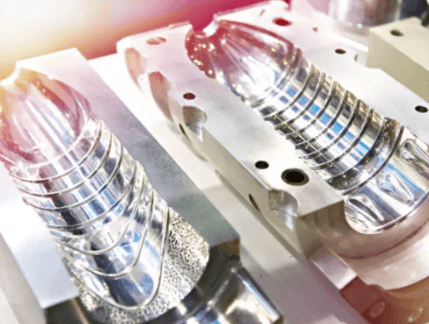
In the world of plastics engineering, injection molding feels like magic when it works perfectly. Liquid plastic is shot into a steel or aluminum cavity under immense pressure, and seconds later, out pops a fully formed, structural component.
But behind that magic is a massive amount of fluid dynamics, thermodynamics, and pressure variations. If your mold design has a tiny flaw, the liquid plastic might freeze before filling the cavity, warp as it cools, or trap air bubbles inside the walls.
Historically, fixing these mistakes meant physically machining a metal mold, testing it on a factory line, finding a flaw, scrapping the mold, and starting over. Today, manufacturers eliminate this expensive trial-and-error using Mold Flow Analysis (MFA).
What is Mold Flow Analysis?
Mold Flow Analysis is a specialized software simulation that mimics the injection molding process in a virtual environment. By analyzing a digital 3D model ($STL$ or $STEP$ file) along with the specific properties of the chosen plastic resin, the software predicts exactly how the molten material will flow into, fill, and cool inside the mold.
Instead of guessing where to place the entry gate or how thick the part walls should be, engineers can watch a color-coded animation of the plastic filling the cavity in real-time, pinpointing structural weak spots before cutting a single block of metal.
Why Mold Flow Analysis in Injection Molding is Non-Negotiable
Whether you are launching a complex medical housing or a simple consumer electronic casing, utilizing mold flow analysis in injection molding is critical to the success of your project. It directly solves the most common and costly manufacturing failures:
1. Eliminating Weld Lines and Structural Weak Spots
When molten plastic flows around an internal hole or feature inside a mold, the flow splits into two streams and meets on the other side. This meeting point is called a weld line. If the plastic cool down too much before merging, these streams won’t fuse perfectly, creating an ugly line that snaps under the slightest pressure. MFA tells engineers exactly where weld lines will form so they can adjust temperatures or gate locations to fix them.
2. Preventing “Short Shots”
A short shot occurs when the plastic solidifies before completely filling the entire mold cavity, leaving you with an unfinished, deformed part. This usually happens because the wall thickness is too thin or the injection pressure is insufficient. MFA simulates the exact pressure drop inside the cavity, ensuring the material reaches the furthest corners of the mold safely.
3. Controlling Warpage and Shrinkage
As plastics cool down from liquid to solid, they shrink. If different areas of your part cool at different rates—for example, a thick corner cooling slower than a thin wall—the internal stress will cause the final part to twist or warp. MFA optimizes the cooling line channels within the mold to ensure uniform heat dissipation.
[Hot Liquid Plastic Injected] ➔ [Uneven Cooling] ➔ [Internal Material Stress] ➔ [Warped/Defective Part]
Key Metrics Evaluated During a Simulation Run
During an analysis, the engineering software monitors several critical physical parameters across a visual timeline:
- Fill Time: How many seconds it takes for the cavity to fill completely.
- Confidence of Fill: A visual map indicating whether certain hard-to-reach features run a risk of short-shooting.
- Air Traps: Highlights areas where air will get trapped by the incoming plastic, letting designers know where to add mechanical vents.
- Volumetric Shrinkage: Predicts dimensional changes so the mold can be oversized just enough to compensate for cooling shrinkage.
See also: Want to Become a Successful Businessowner? Here’s 5 Things You Need
Streamlining Low-Volume Production
Many product creators assume that advanced simulation tools like MFA are only meant for high-volume, millions-of-units factory runs. In reality, it is arguably more important when dealing with smaller batches.
When scaling up a startup or an independent hardware project, companies rely heavily on optimized low-volume production solutions to produce 100 to 10,000 units using budget-friendly aluminum tooling.
Because aluminum molds are less forgiving of extreme pressure spikes and thermal imbalances than hardened tool steel, running a mold flow analysis beforehand ensures your low-volume run proceeds seamlessly without damaging the budget tooling or wasting expensive engineering resins.
Summary Matrix: The Impact of MFA on Product Development
| Manufacturing Parameter | Without Mold Flow Analysis | With Mold Flow Analysis |
| Tooling Development Cost | High (Due to unexpected mold re-work and modifications) | Low & Predictable (Mold is optimized on day one) |
| Time-to-Market | Slow (Delayed by multiple physical test cycles) | Fast (Iterated and finalized digitally) |
| Part Reject Rate | Unpredictable (Prone to cosmetic defects or warp) | Extremely Low (Controlled cooling and fill paths) |
| Material Efficiency | Low (Wasted plastic due to trial-and-error scrap) | High (Optimal runner and gate sizing) |
Final Takeaway
In modern manufacturing, guessing is no longer a viable strategy. Mold Flow Analysis transforms injection molding from an unpredictable craft into an exact, data-driven science.
By investing a small amount of time in digital fluid simulation upfront, you safeguard your business against catastrophic tooling modifications, reduce scrap rates, and ensure that your final product—whether it’s a small low-volume batch or a massive industrial run—comes out structurally flawless, cosmetically pristine, and exactly on schedule.