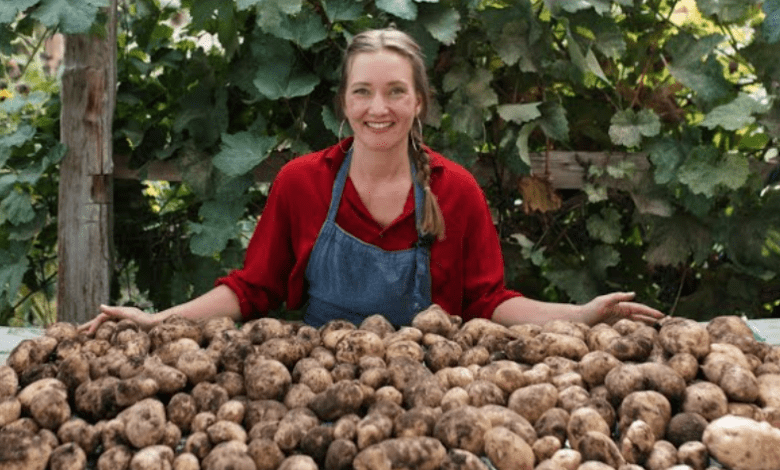
One of the most adaptable items in any kitchen is potatoes. They are a mainstay in many different cuisines all over the globe since they may be mashed, baked, fried, or roasted. But not every potato is made equally. The way that various types function in recipes is significantly influenced by their texture, taste, and starch content. The secret to making an average meal spectacular for home chefs is knowing the major types of potatoes.
Classic All-Rounder Russet Potatoes
The most well-known kind is probably russet potatoes, often referred to as Idaho potatoes. When cooked, their starchy, fluffy interior contrasts with their thick brown exterior. They are ideal for mashing, frying, and baking because of their high starch content.
Typically, russets are the main ingredient in a loaded baked potato with a crispy shell and tender inside. Because they brown wonderfully when fried, they also provide the crispiest French fries. Waxier kinds, on the other hand, keep their shape better in soups and stews.
Gold Yukon Potatoes: The Creamy Delight
Medium-starch Yukon Gold potatoes have a naturally buttery taste and a golden skin. They are a great option for mashed potatoes because of their creamy texture. They are also perfect for potato salads or soups because, unlike russets, they keep their form when boiling.
Yukon Golds are among the most adaptable types of potatoes due to their well-balanced texture. They may be boiled, mashed, or roasted, and they work well with almost every culinary technique. Because they provide richness without requiring a lot of butter or milk, many cooks even choose them for casseroles and gratins.
Red Potatoes: Tough and Tasty
Small to medium in size, red potatoes have a waxy core and thin red exterior. Their texture is juicy and solid, and they hold up quite nicely when boiled. Because of this, they are ideal for soups, stews, and potato salads where you want the potatoes to stay whole.
Roasting them with herbs and olive oil brings out their somewhat sweet taste as well. Although red potatoes aren’t ideal for mashing since they don’t puff up like russets, their texture gives many savory meals a pleasant taste.
Fingerling Potatoes: Upscale And Distinctive
Small, elongated tubers, fingerling potatoes are often red, purple, or yellow in color. They are popular in high-end recipes because of their hard structure and nutty taste. Their unique shape and skin offer visual appeal, and they are finest roasted or sautéed whole.
When simply seasoned and roasted till crisp, fingerlings make a delicious side dish and go well with herbs like thyme or rosemary. Fingerling potatoes provide both flair and content for home chefs who want to improve the appearance of their food.
See also: Driving Operational Efficiency Through Business Intelligence Expertise
Purple Potatoes: Powerful and Packed with Nutrients
The vivid hue of purple potatoes is a result of antioxidants known as anthocyanins. In addition to their look, they have a texture akin to Yukon Gold potatoes or red potatoes with a somewhat nutty taste.
For a vibrant take on a traditional meal, they may be roasted, boiled, or even mashed. They are popular in modern cookery because their vibrant color gives salads and side dishes visual interest. They are a wise option for chefs who are concerned about their health since they provide extra nutrients in addition to visual appeal.
Sweet potatoes: The More Nutritious Sibling
Sweet potatoes are a common ingredient in home cuisine, despite not being a genuine potato. They provide a natural sweetness that goes well with savory and dessert dishes, and they are high in beta-carotene and other minerals.
Sweet potatoes may be roasted, mashed, baked into fries, or used to make pies. They provide a bright orange hue to the table, are tasty, and are adaptable. Sweet potatoes are a tasty and healthful substitute for individuals who want to try something different from regular potato meals.
Conclusion
Despite their seeming simplicity, potatoes are very diverse. Every kind, from fluffy russets to vibrant purples, has special characteristics that may improve your cuisine. You can choose the best potato for any recipe, whether it’s a vivid salad, a creamy mash, or a traditional baked potato, by being acquainted with the three major types of potatoes.
Try experimenting with various types the next time you’re shopping to see how they improve your favorite dishes. The simple potato may significantly improve your meals if you know how to use it and are creative.