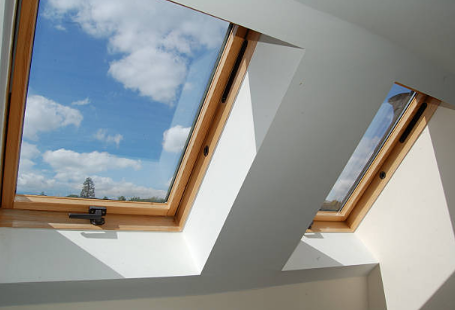
Pitched roof windows are an increasingly popular choice for homeowners who want to enhance the aesthetics, functionality, and energy efficiency of their homes. Unlike standard vertical windows, pitched roof windows are installed at an angle to match the slope of a roof, allowing natural light to penetrate deeper into a room. They can dramatically change the feel of an attic, loft, or any sloped-roof space, turning what was once a dark area into a bright, inviting environment. Beyond simply bringing light into a home, these windows can also improve ventilation, provide breathtaking views, and increase property value.
By integrating pitched roof windows into your home, you are not just installing an architectural feature, you are creating an entirely new experience within your living space. Whether you are renovating an attic, adding a loft bedroom, or simply looking to maximize natural light in your home, pitched roof windows offer both functional and aesthetic advantages. From energy efficiency to modern design, they are a versatile solution that can adapt to various types of architecture and interior styles.
Types of Pitched Roof Windows
Pitched roof windows come in various designs and configurations to suit different architectural styles and homeowner preferences. Understanding the types available is essential to choosing the right window for your home.
Fixed Roof Windows
Fixed pitched roof windows are non-operable windows that allow maximum light into a space without any ventilation option. They are perfect for areas where natural light is a priority, but where opening a window is not necessary. These windows often come in sleek, modern designs with large glass panels that provide unobstructed views of the sky. Because they do not have moving parts, fixed roof windows generally require less maintenance and are often more cost-effective than operable models.
In addition to bringing light into a room, fixed roof windows can also be combined with other window types to create an impressive architectural statement. For example, pairing a fixed roof window with an operable skylight can offer both light and ventilation, giving homeowners the best of both worlds. Fixed windows can also be treated with coatings to reduce heat gain in the summer and heat loss in the winter, enhancing overall energy efficiency.
Ventilated Roof Windows
Ventilated or operable pitched roof windows are designed to open, allowing for air circulation and improved indoor climate control. These windows are particularly useful in lofts, kitchens, bathrooms, and bedrooms, where ventilation is crucial. Some models can be opened manually, while others feature remote control or automated opening systems, providing convenience and flexibility for homeowners.
Ventilated roof windows also offer a safety aspect, as they can help prevent condensation, reduce humidity, and maintain healthy air quality within your home. In addition, operable windows can be strategically placed to allow cross-ventilation, which is a natural way to keep rooms cool without relying solely on air conditioning. Many ventilated roof windows also come with rain sensors, which automatically close the window during rainfall, ensuring that your home remains protected from water damage.
See also: Salon Quality Hair Care Products You Can Use at Home
Skylight Roof Windows
Skylight windows are a specific type of pitched roof window that is often larger and designed to create a dramatic visual effect. They can transform a room by flooding it with daylight, making spaces feel larger and more open. Skylights are available in both fixed and operable versions, allowing homeowners to balance light and ventilation according to their needs.
Modern skylights can also incorporate advanced features such as energy-efficient glazing, UV protection, and even solar-powered opening mechanisms. When installed strategically, they can dramatically reduce the need for artificial lighting, lowering electricity costs while creating a more pleasant living environment. Skylights are especially popular in rooms with high ceilings or unique architectural angles, as they emphasize the structure of the space and add a luxurious touch to the interior design.
Benefits of Pitched Roof Windows
The advantages of installing pitched roof windows extend beyond mere aesthetics. These windows offer multiple functional, economic, and environmental benefits that make them a valuable addition to any home.
Enhanced Natural Light
One of the most obvious benefits of pitched roof windows is their ability to maximize natural light. By following the angle of the roof, these windows can capture sunlight throughout the day, illuminating spaces that might otherwise be dim or shadowed. This influx of daylight not only creates a warm and inviting atmosphere but also reduces the need for artificial lighting, contributing to energy savings.
Natural light also has a positive impact on well-being. Studies have shown that exposure to daylight can improve mood, increase productivity, and regulate circadian rhythms, helping people feel more alert and refreshed. For homes with lofts, attics, or rooms with limited wall space for traditional windows, pitched roof windows provide an ideal solution to brighten these areas effectively.
Improved Ventilation
Ventilated pitched roof windows offer significant benefits for airflow and indoor air quality. They allow stale air to escape, reducing humidity and condensation, which is particularly important in areas like kitchens and bathrooms. Proper ventilation helps prevent mold growth, protects building materials, and contributes to a healthier living environment.
Furthermore, by creating natural cross-ventilation, these windows can help regulate indoor temperature without relying on mechanical cooling systems. This can reduce energy bills and create a more comfortable environment during warmer months. Many modern roof windows include automatic opening and closing features, enabling homeowners to control airflow conveniently and maintain optimal comfort throughout the year.
Energy Efficiency
Many pitched roof windows are designed with energy-efficient features such as double or triple glazing, low-emissivity coatings, and insulated frames. These elements help maintain indoor temperature, reduce heat loss in the winter, and minimize heat gain during summer. By improving a home’s thermal performance, energy-efficient roof windows can lead to long-term savings on heating and cooling costs.
Energy efficiency is not only beneficial economically but also environmentally. Reducing energy consumption decreases a home’s carbon footprint, making pitched roof windows a sustainable choice for environmentally conscious homeowners. Additionally, some roof window models are compatible with solar control systems, which further optimize energy usage while maintaining natural light levels indoors.
Aesthetic Appeal
Pitched roof windows add a modern and elegant touch to any home. They create visual interest both inside and outside the property, making rooms feel larger and more open. From sleek, minimalist designs to traditional styles that complement historical architecture, these windows can be customized to match a wide range of design preferences.
The aesthetic appeal of roof windows also extends to their potential impact on property value. Homes with well-designed and properly installed pitched roof windows are often more attractive to buyers, as they offer natural light, ventilation, and stylish interiors. In addition, the ability to showcase views of the sky or surrounding landscape can significantly enhance the overall ambiance and desirability of a property.
Installation of Pitched Roof Windows
Installing pitched roof windows requires careful planning, precise measurements, and professional expertise to ensure safety, functionality, and long-term performance.
Planning and Placement
Before installation, it is important to consider the location and size of the window. The angle of the roof, the direction of sunlight, and the intended use of the room all play a role in determining the ideal placement. Consulting with a professional can help optimize the window’s position to maximize light and ventilation while maintaining structural integrity.
Placement is also critical for maintaining the aesthetic balance of the home. For example, aligning multiple windows in a row or creating symmetrical patterns can create a harmonious look and enhance the architectural design. Improper placement, on the other hand, may lead to uneven light distribution or issues with water drainage, which can compromise the window’s performance.
Professional Installation
While some homeowners may attempt DIY installation, professional installation is recommended for pitched roof windows due to the complexity involved. Experts can ensure that the window is properly sealed, aligned with the roof slope, and compliant with building regulations. Proper installation prevents leaks, drafts, and potential damage to the roof structure.
Professional installers also take into account insulation and waterproofing requirements. This is crucial for preventing heat loss, water infiltration, and structural problems over time. In addition, certified installers often provide warranties for both the window and the installation, offering peace of mind and long-term protection for your investment.
Maintenance Considerations
Maintaining pitched roof windows is relatively straightforward but essential for prolonging their lifespan. Regular cleaning of the glass, frames, and surrounding areas helps preserve appearance and functionality. For operable windows, lubricating hinges and checking seals can prevent mechanical issues and maintain energy efficiency.
Many modern roof windows are designed with easy-clean coatings and pivoting mechanisms that allow the exterior surface to be accessed safely from inside the room. Routine inspection for leaks, condensation, and damage is also recommended, especially after severe weather events, to ensure the window continues to perform effectively.
Choosing the Right Pitched Roof Window
Selecting the ideal pitched roof window involves balancing style, function, and budget to meet the unique needs of your home.
Material and Frame Options
Roof windows come in a variety of materials, including wood, uPVC, and aluminum. Wooden frames offer natural beauty and excellent insulation but require regular maintenance to protect against moisture and decay. uPVC frames are low-maintenance, durable, and energy-efficient, making them a popular choice for modern homes. Aluminum frames provide a sleek, contemporary appearance and are highly durable but may require thermal breaks to improve insulation.
Choosing the right material also involves considering the local climate, the room’s exposure to sunlight, and the homeowner’s preferences for aesthetics and upkeep. For example, coastal areas may benefit from corrosion-resistant aluminum frames, while homes seeking a classic look might favor timber frames with protective coatings.
Glazing Options
The type of glazing used in a pitched roof window impacts light transmission, energy efficiency, and noise reduction. Double or triple glazing provides better insulation and reduces heat loss. Low-emissivity (Low-E) glass reflects heat back into the room, keeping it warmer in winter, while tinted or coated glass can minimize glare and solar heat gain during summer.
Noise-reducing glass is another consideration, particularly for homes located near busy roads or urban areas. Modern glazing options combine multiple benefits, allowing homeowners to enjoy bright, quiet, and energy-efficient spaces. Additionally, some windows feature self-cleaning or anti-condensation coatings, reducing maintenance efforts and enhancing long-term performance.
Style and Design
Pitched roof windows are available in a wide range of styles, from minimalist contemporary designs to traditional profiles that complement historical architecture. Consider how the window will integrate with the existing roofline, interior décor, and overall aesthetic of the home. Features such as blinds, shades, or built-in ventilation can further enhance both comfort and visual appeal.
Design considerations also include the window’s opening mechanism. Top-hung, center-pivot, and balcony-style windows offer different advantages in terms of airflow, accessibility, and view. Choosing the right style ensures the window is not only visually pleasing but also functional for everyday use.
Conclusion
Pitched roof windows are a versatile and valuable addition to any home. By enhancing natural light, improving ventilation, boosting energy efficiency, and elevating aesthetic appeal, they transform ordinary spaces into bright, comfortable, and visually appealing areas. Whether you choose fixed, ventilated, or skylight windows, the right pitched roof window can create a more enjoyable and healthier living environment while adding value to your property.
Careful planning, professional installation, and routine maintenance ensure that these windows perform optimally for years to come. With a wide variety of materials, glazing options, and styles available, homeowners can customize their roof windows to match both functional needs and personal design preferences. By investing in pitched roof windows, you are not just installing a window you are opening your home to light, air, and a new perspective on living spaces.
Contact Us today to explore the perfect pitched roof window solution for your home.