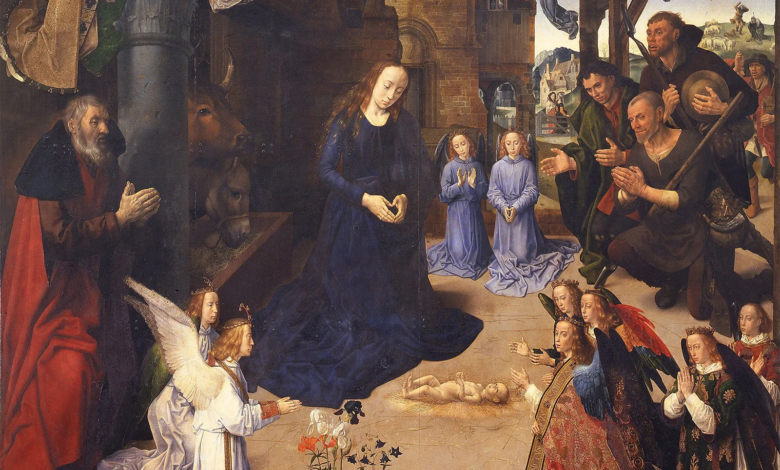
Understanding the historical classifications of visual art offers a window into how societies have expressed ideas, documented experiences, and shaped culture over thousands of years. These classifications help us trace artistic evolution, from ancient cave paintings to contemporary digital installations, and provide a framework for studying technique, style, and meaning. While modern art often blurs boundaries, the traditional categories remain essential for anyone seeking to appreciate or create visual work with depth and context.
The Foundations: Ancient and Classical Art
The earliest classifications of visual art emerged from ancient civilizations such as Egypt, Greece, China, and Mesopotamia. Art from these periods was often functional, symbolic, or religious in nature. Egyptian wall paintings and sculptures followed strict conventions to honor gods and pharaohs, while Greek art emphasized idealized human forms and mathematical proportions. In China, ink painting and calligraphy were elevated to high art, reflecting philosophical and spiritual values. These early classifications laid the groundwork for understanding how art can reflect societal priorities and belief systems.
Medieval to Renaissance: Shifting Toward Humanism
During the medieval period, European art was dominated by religious themes, with illuminated manuscripts, mosaics, and stained glass serving as primary forms. Artistic classification centered on devotional purpose rather than individual expression. The Renaissance dramatically shifted this perspective. Artists like Leonardo da Vinci and Michelangelo reintroduced classical ideals, emphasizing realism, anatomy, and perspective. Painting, sculpture, and architecture became distinct categories, each with its own techniques and theoretical foundations. This era marked the beginning of art as a discipline grounded in study, observation, and innovation.
The Rise of Academic Classifications
By the 17th and 18th centuries, formal art academies began defining strict classifications that shaped Western art education for centuries. The hierarchy of genres placed history painting at the top, followed by portraiture, genre scenes, landscapes, and still life. This system influenced how artists were trained, evaluated, and commissioned. Students often learned these categories in structured environments similar to an art boarding school, where mastery of drawing and classical subjects formed the foundation of artistic development. Although modern art later challenged these hierarchies, they remain important for understanding traditional artistic values.
Modernism and the Expansion of Categories
The late 19th and early 20th centuries brought radical changes. Movements such as Impressionism, Cubism, Surrealism, and Abstract Expressionism rejected academic rules and expanded the definition of visual art. Artists experimented with color, form, and perspective in ways that defied traditional classification. New categories emerged, like installation art, performance art, and conceptual art, reflecting a shift toward personal expression and philosophical exploration. This period demonstrated that art classifications are not fixed but evolve alongside cultural and technological change.
Contemporary Art and Interdisciplinary Approaches
Today’s visual art landscape is more diverse than ever. Contemporary artists blend mediums, incorporate digital technology, and explore global influences. Classifications now include digital art, video art, environmental art, and mixed‑media practices. Many artists work across disciplines, making it difficult to categorize their work within traditional boundaries. Learning these classifications involves studying both historical foundations and modern innovations, allowing students and enthusiasts to appreciate how past and present intersect in contemporary creativity.
Read also: Online Homeschool Program: Complete Guides for Modern Learners
Conclusion
The historical classifications of visual art reveal how artistic expression has evolved across cultures and eras. From ancient symbolism to modern experimentation, each classification reflects the values and innovations of its time. By studying these categories, learners gain a deeper understanding of technique, meaning, and artistic progression. Whether exploring classical foundations or contemporary forms, understanding art’s historical classifications enriches both appreciation and creative practice.