Roof Repair Strategies That Support Long-Term Commercial Property Value

Commercial properties represent significant financial investments, and maintaining their structural condition is essential for preserving long-term value. While property owners often focus on interior renovations, landscaping, and building upgrades, the roofing system deserves equal attention. A well-maintained commercial roof protects the building from environmental damage, supports energy efficiency, and reduces unexpected maintenance expenses.
For businesses operating in Colorado, changing weather conditions make roof maintenance particularly important. Investing in professional Denver roofing repair services can help property owners address developing problems, extend the lifespan of roofing materials, and protect their investments from costly structural deterioration.
Identifying Roofing Problems Before They Become Expensive
One of the most effective strategies for maintaining commercial property value is identifying roofing issues during their early stages. Small cracks, loose flashing, damaged membranes, and drainage problems may initially appear insignificant. However, these conditions can gradually allow moisture to enter the roofing system and damage underlying building materials.
Regular inspections help property managers identify vulnerabilities before they develop into serious problems. Roofing professionals can examine membrane seams, drainage outlets, rooftop equipment connections, and areas where water commonly accumulates.
Early repairs generally require fewer materials and less labor than extensive restoration projects. Addressing minor defects promptly also reduces the likelihood of interior water damage, which could affect ceilings, electrical systems, insulation, and valuable business equipment.
See also: Rumi Quotes on Life, Love and Loss — Meaning and Reflection
Developing a Preventive Roof Maintenance Schedule
In order to prolong the useful life of commercial roofing systems, preventive maintenance is crucial. Rather than waiting for visible leaks or structural concerns, property owners should establish a maintenance schedule based on roof age, material type, manufacturer recommendations, and environmental exposure.
Commercial roofs should receive periodic inspections, particularly following severe storms or periods of heavy snowfall. Maintenance activities may include removing debris, checking drainage systems, examining protective coatings, and identifying areas showing signs of deterioration.
Documenting these activities creates a useful maintenance history that can support future repair decisions. Detailed records may also provide valuable information during property evaluations, insurance discussions, and commercial real estate transactions.
A consistent maintenance program demonstrates responsible property management while helping owners plan roofing expenses more effectively.
Choosing Repair Materials That Support Long-Term Performance
The quality and compatibility of roofing materials directly influence repair durability. Commercial buildings commonly feature roofing systems made from materials such as thermoplastic polyolefin (TPO), ethylene propylene diene monomer (EPDM), modified bitumen, and metal.
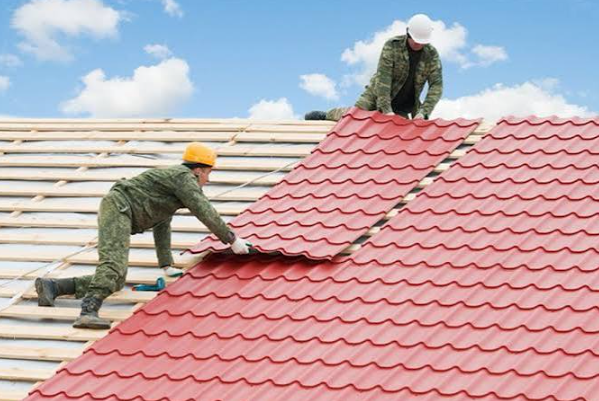
Each material requires appropriate repair techniques to maintain its protective performance. For example, certain membrane systems may require specialized welding methods, while metal roofing repairs may involve replacing damaged fasteners, treating corrosion, or correcting flashing details.
Property owners should prioritize materials compatible with their existing roofing systems rather than selecting products based solely on initial cost.
High-quality repair materials, combined with proper installation techniques, can reduce recurring problems and help maintain the roof’s structural integrity over time.
Improving Drainage to Prevent Water-Related Damage
Water accumulation is among the most common causes of commercial roofing deterioration. Many commercial buildings feature low-slope roofs that depend on properly designed drainage systems to direct rainwater and melting snow away from the structure.
Blocked drains, damaged gutters, and poorly maintained drainage components can contribute to standing water. Prolonged moisture exposure may accelerate membrane deterioration, increase leakage risks, and place additional stress on roofing materials.
Routine drainage maintenance should include clearing debris, inspecting outlets, and checking for areas where water remains after rainfall.
When drainage problems persist, professional evaluation may identify whether localized repairs, drainage modifications, or more extensive improvements are necessary.
Minimizing Business Disruptions Through Planned Repairs
Roofing problems can affect more than the physical condition of a commercial property. Water intrusion, emergency maintenance, and extensive construction activities may interrupt daily business operations and create inconvenience for employees, customers, and tenants.
Planning repairs strategically allows property managers to coordinate roofing work around operational schedules. Contractors can assess repair priorities, recommend appropriate project timelines, and identify measures that reduce disruption.
For occupied commercial buildings, communication between property managers, roofing contractors, and tenants is especially important.
Well-organized repair projects help maintain tenant satisfaction while protecting the building’s reputation as a reliable commercial space.
Protecting Property Value Through Professional Roofing Decisions
Commercial property value depends on several factors, including location, building condition, operating expenses, and anticipated maintenance requirements. A deteriorating roof can introduce uncertainty for prospective buyers and tenants because it may indicate substantial future repair costs.
Professional roofing assessments help owners determine whether localized repairs, restoration treatments, or complete replacement offer the most practical solution.
Working with experienced contractors for Denver roofing repair can also help property managers understand regional weather challenges and select suitable maintenance strategies.
Accurate inspections, transparent repair recommendations, and proper documentation contribute to better financial planning and informed property management decisions.
Conclusion
Maintaining a commercial roof requires more than responding to leaks when they appear. Effective roofing strategies combine preventive inspections, timely repairs, suitable materials, drainage maintenance, and careful project planning.
By treating roof maintenance as a long-term investment rather than an occasional expense, commercial property owners can reduce avoidable damage, improve building reliability, and preserve property value. A properly maintained roofing system ultimately supports safer operations, stronger tenant confidence, and better financial performance throughout the building’s service life.