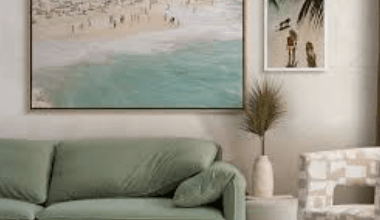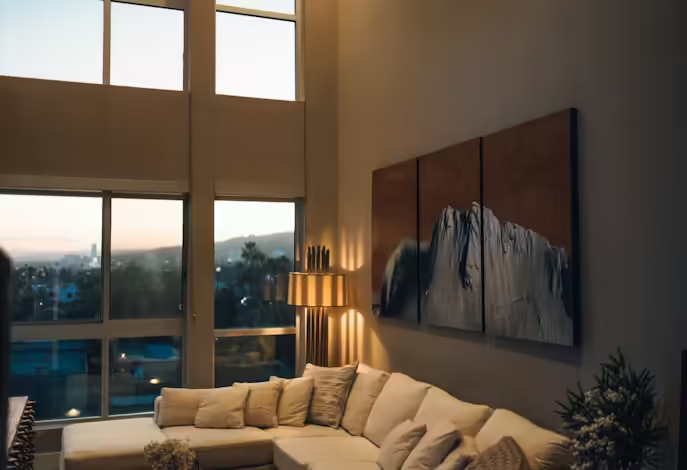
Modern home design continues to evolve as homeowners look for ways to create spaces that feel both sophisticated and personal. While clean lines, open layouts, and neutral palettes remain central to contemporary aesthetics, the addition of distinctive wall elements offers an opportunity to elevate interiors beyond simplicity. Collectible wall designs, in particular, bring a sense of identity, narrative, and refinement that transforms a house into a thoughtfully curated home.
By introducing carefully selected wall pieces, homeowners can enhance architectural features, establish focal points, and create visual depth. These elements go beyond decoration, serving as artistic expressions that complement and enrich the overall design. Understanding how to integrate collectible wall designs effectively allows modern spaces to feel more dynamic, layered, and uniquely tailored.
The Role of Collectible Designs in Modern Interiors
Collectible wall designs serve as a powerful tool for defining the character of a room. Unlike mass-produced décor, collectible pieces are often chosen for their artistic value, craftsmanship, or personal significance. This distinction allows them to stand out as meaningful additions rather than simple background elements.
In modern interiors, where minimalism often emphasizes restraint, collectible designs introduce contrast and individuality. A carefully selected piece can break the monotony of a neutral space, adding visual intrigue without overwhelming the room. This balance is essential in maintaining the clean, uncluttered feel that contemporary design is known for.
These pieces also act as conversation starters. Whether they are abstract works, photography, or mixed media creations, collectible designs invite engagement and interpretation. They provide insight into the homeowner’s tastes and experiences, making the space feel more personal and authentic.
When thoughtfully incorporated, collectible wall designs create a sense of continuity throughout the home. They tie together different elements of the interior while offering a distinctive visual narrative that evolves over time.
Building a Cohesive Visual Narrative
A successful approach to collectible wall design begins with establishing a cohesive visual narrative. Rather than selecting pieces randomly, homeowners benefit from curating a collection that reflects a consistent theme, style, or mood. This does not require uniformity, but rather a sense of connection that makes the collection feel intentional.
Themes can be based on color palettes, subject matter, or artistic styles. For example, a collection centered around natural landscapes can bring a sense of calm and grounding to a space, while abstract works may introduce energy and movement. The goal is to create a harmonious composition that enhances the overall design rather than competing with it.
Incorporating a photo art gallery element within this narrative allows for both versatility and personalization. By selecting photographic works that align with the chosen theme, homeowners can create a display that feels curated and cohesive. This approach also allows for gradual expansion, as new pieces can be added without disrupting the overall aesthetic.
Arrangement plays a key role in reinforcing the visual narrative. Symmetrical layouts offer a sense of order and balance, while more organic arrangements create a relaxed and dynamic feel. The chosen layout should align with the overall tone of the space, whether it is formal or casual.
Enhancing Architectural Features Through Placement
The placement of collectible wall designs significantly influences their impact. Strategic positioning allows these pieces to highlight architectural features, define areas within open layouts, and create focal points that guide movement through the space.
In modern homes with open floor plans, wall designs can help delineate different functional areas without the need for physical barriers. A large statement piece can anchor a living room, while a curated arrangement may define a dining or hallway space. This creates a sense of organization while maintaining the openness that contemporary design values.
High ceilings provide an opportunity to incorporate larger works or vertical arrangements that emphasize height and scale. Similarly, narrow walls or transitional spaces such as entryways benefit from carefully chosen pieces that add interest without overwhelming the area.
Lighting further enhances placement. Natural light highlights textures and colors during the day, while targeted artificial lighting can create a gallery-like ambiance in the evening. By illuminating key pieces, homeowners can ensure that their collectible designs remain a focal point regardless of the time of day.
Balancing Simplicity and Expression
Modern interiors often prioritize simplicity, but this does not mean sacrificing expression. The key to successfully incorporating collectible wall designs lies in balancing these two elements. Too many pieces can create visual clutter, while too few may leave the space feeling incomplete.
Selecting a few impactful works rather than overcrowding the walls allows each piece to stand out. This approach aligns with minimalist principles while still introducing depth and character. Negative space is just as important as the artwork itself, as it provides visual breathing room and enhances the overall composition.
Color coordination also plays a role in maintaining balance. While collectible designs can introduce bold or contrasting tones, they should still complement the existing palette of the room. This ensures that the artwork enhances rather than disrupts the design.
The choice of frames, materials, and finishes further contributes to this balance. Sleek, modern frames can reinforce a contemporary aesthetic, while more textured or traditional finishes add variation. Coordinating these elements helps create a unified look that feels intentional and polished.
Long Term Value of Curated Wall Collections
Investing in collectible wall designs offers long term benefits that extend beyond immediate visual appeal. Over time, a curated collection can grow and evolve, reflecting changes in taste, experiences, and lifestyle. This adaptability makes wall designs a dynamic aspect of interior design.
Unlike more permanent elements such as flooring or cabinetry, wall décor can be updated with relative ease. This allows homeowners to refresh their space without undergoing a complete renovation. Rotating pieces or introducing new additions keeps the interior feeling current and engaging.
Collectible designs also hold potential value, both emotional and financial. Pieces acquired over time may gain significance, either through their connection to personal experiences or their appreciation as works of art. This adds another layer of meaning to their presence within the home.
Maintaining a curated approach ensures that the collection remains cohesive as it grows. By continuing to consider factors such as theme, placement, and balance, homeowners can build a collection that enhances their space for years to come.
Read also: Transforming Your Home’s Exterior: Smart Remodeling Ideas That Add Value
Conclusion
Collectible wall designs offer a powerful way to enhance modern homes, bringing depth, personality, and artistic expression into contemporary interiors. Through thoughtful selection, strategic placement, and careful curation, these pieces transform blank walls into meaningful design elements that elevate the entire space.
By balancing simplicity with individuality, homeowners can create environments that feel both refined and inviting. Over time, curated wall collections become an integral part of the home’s identity, reflecting personal taste while enriching the overall design.